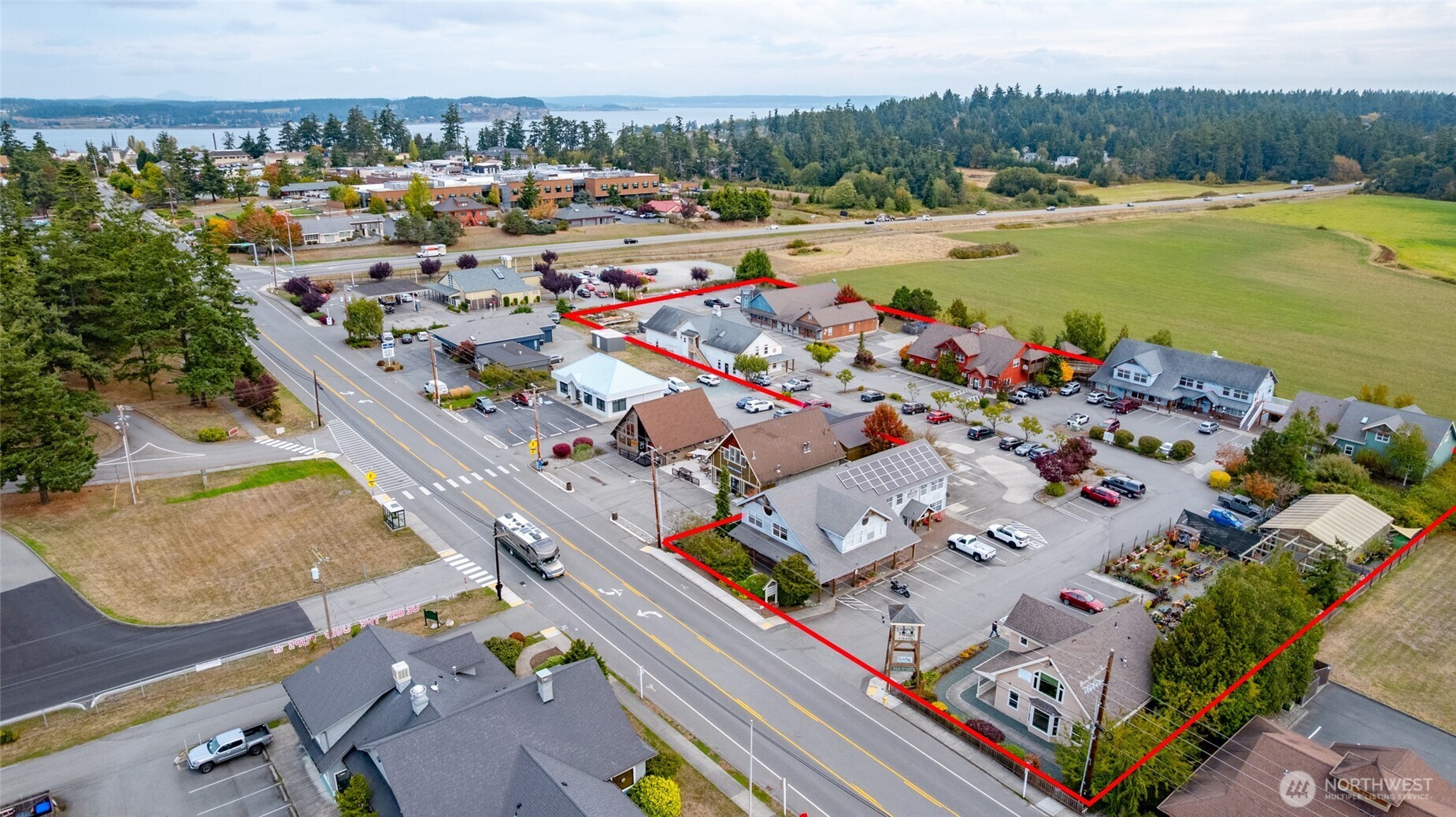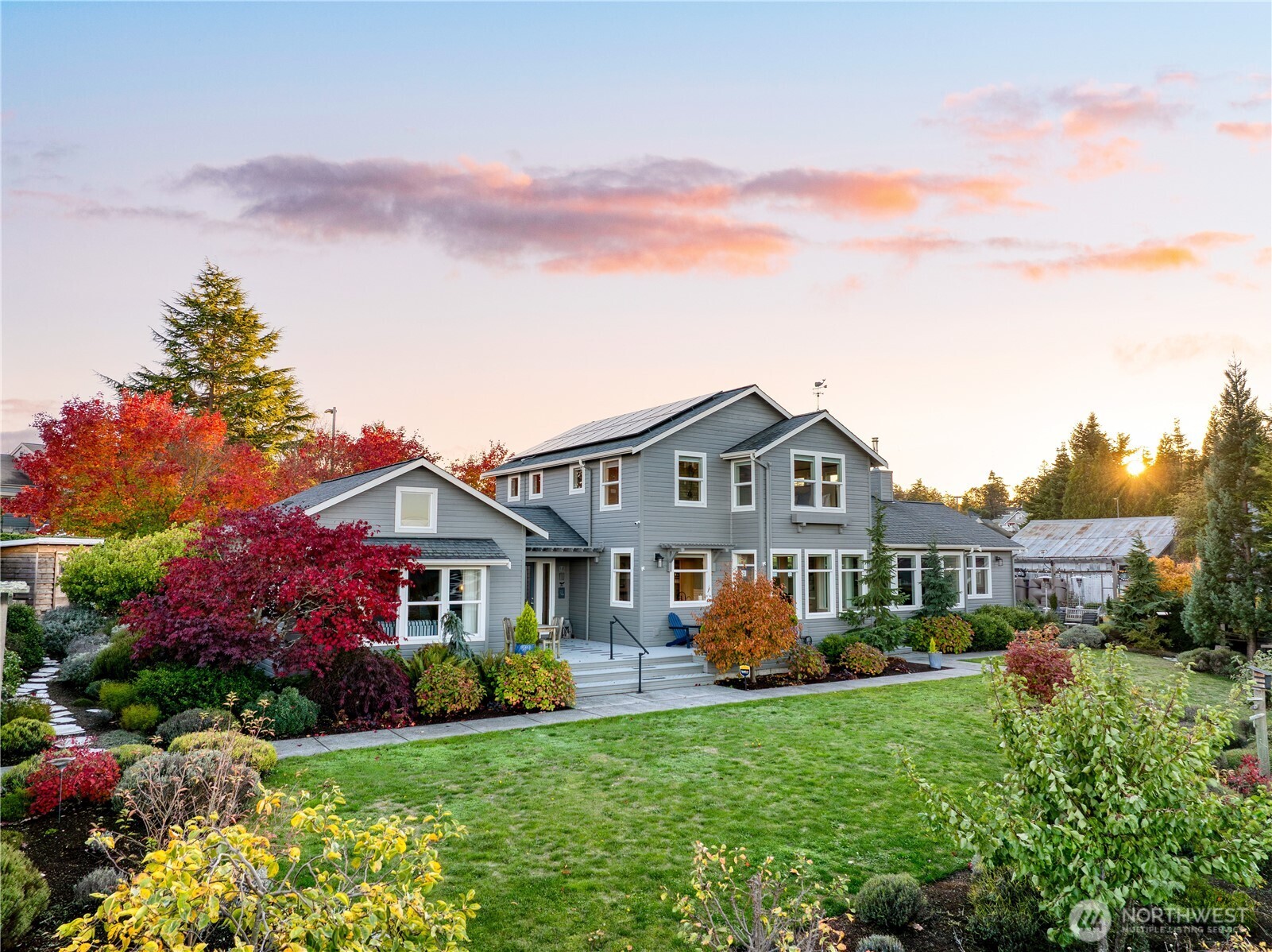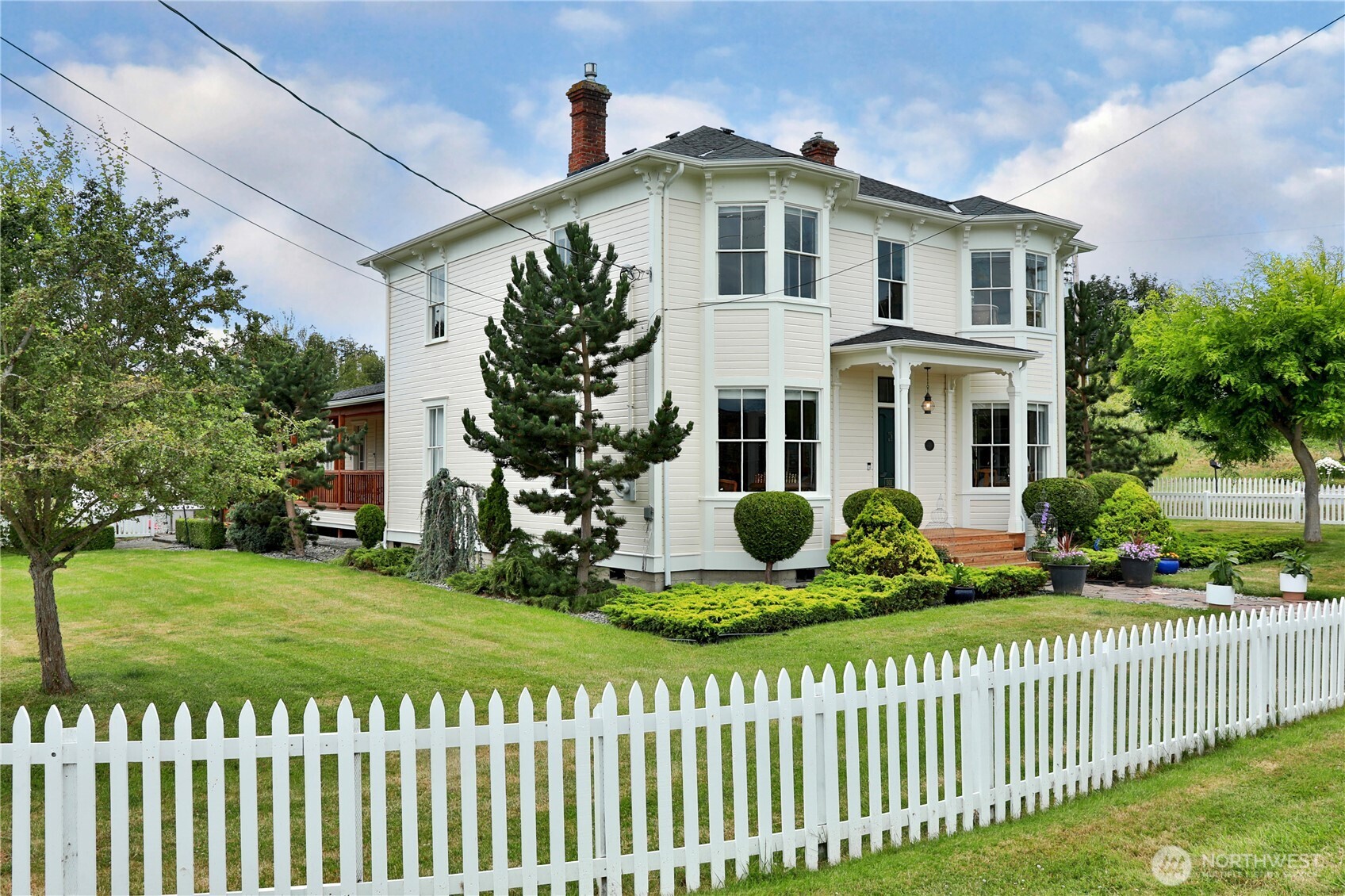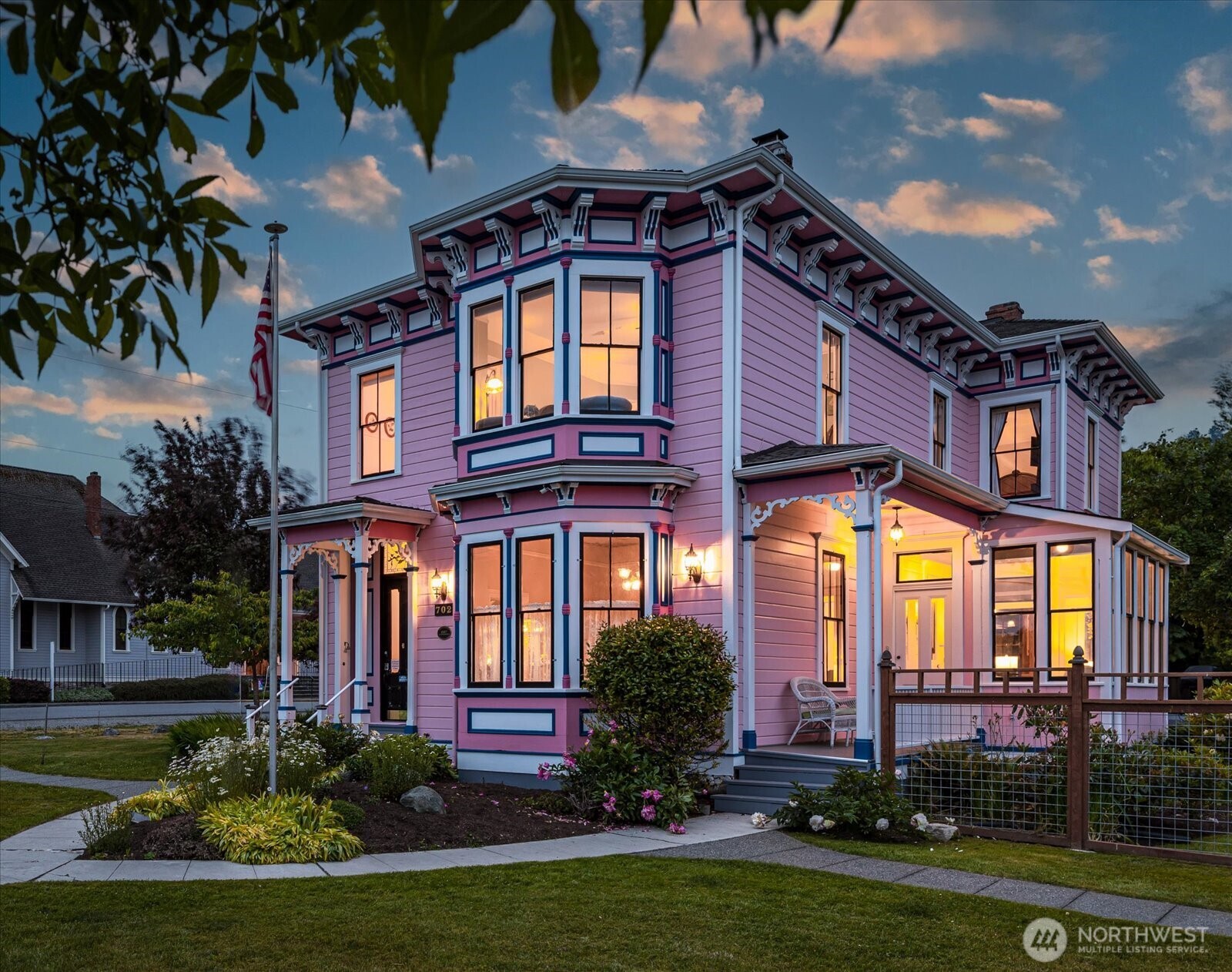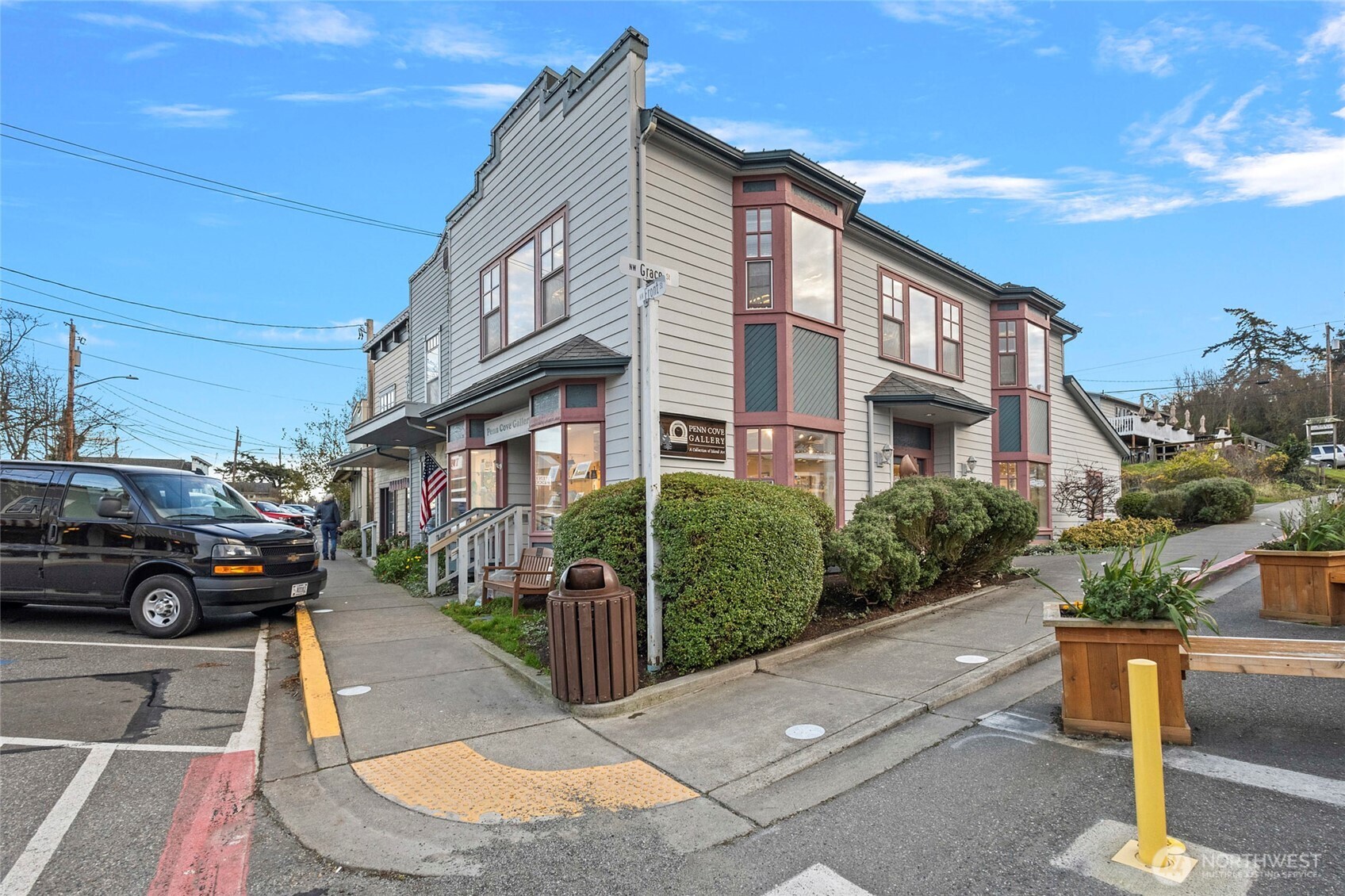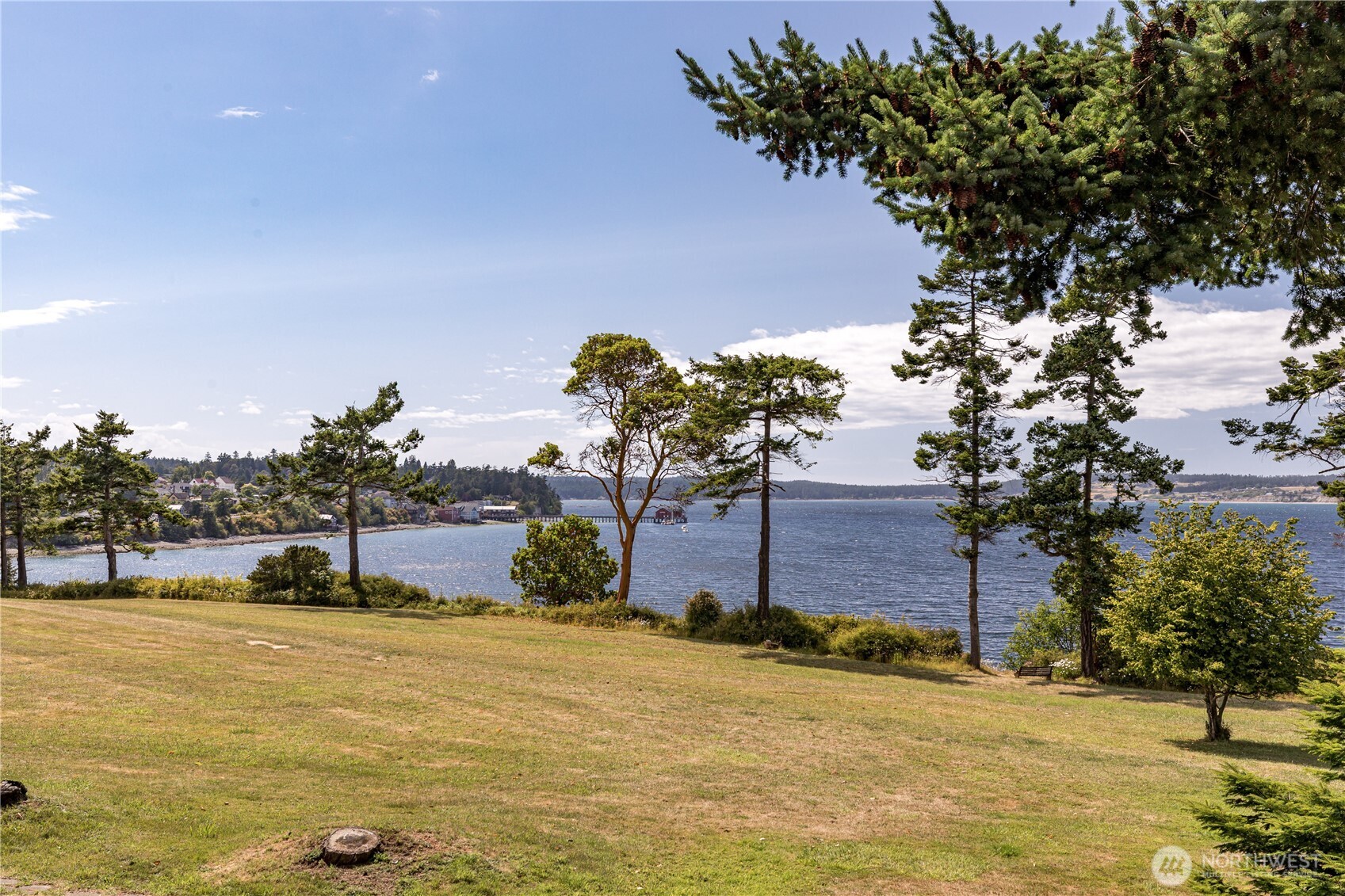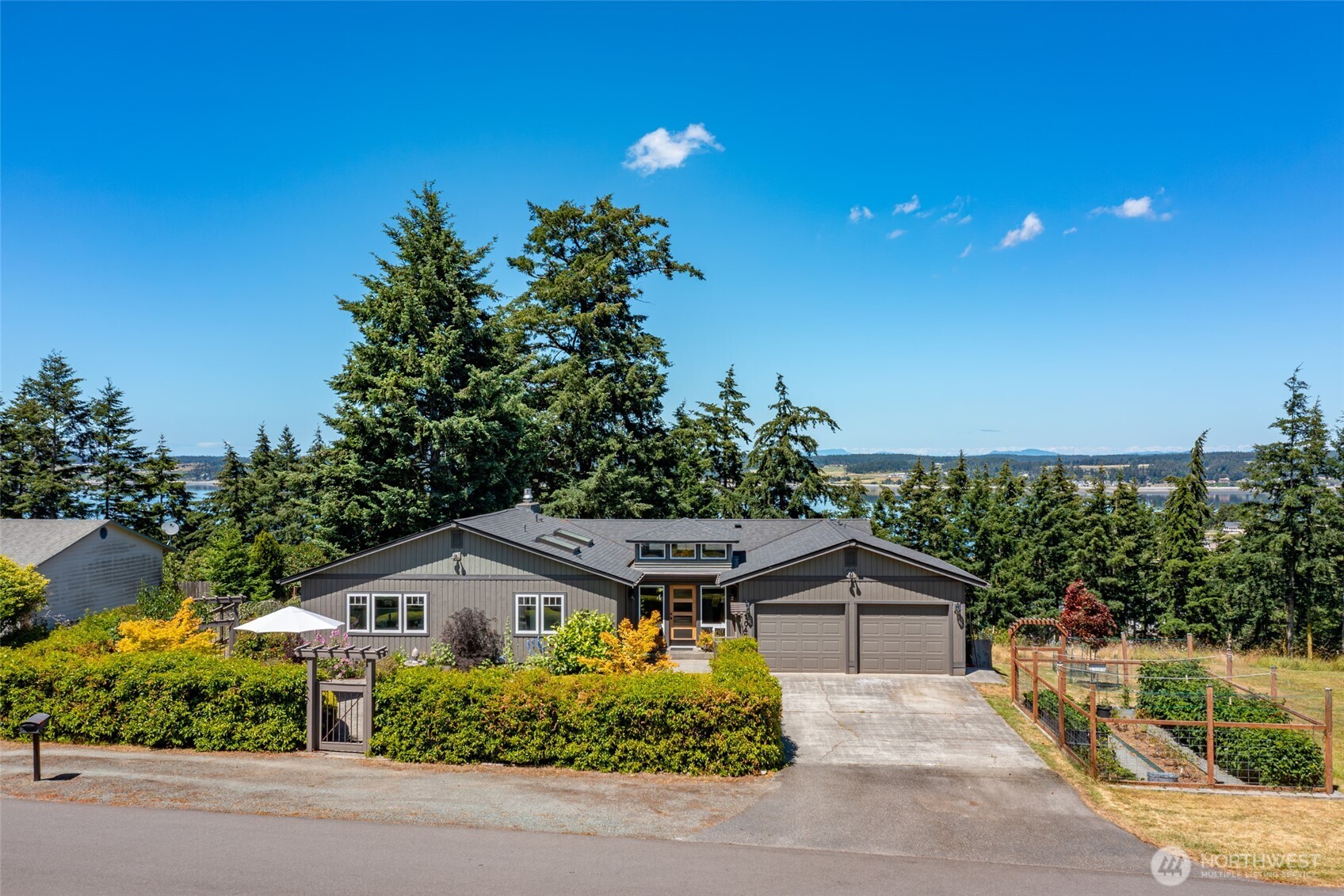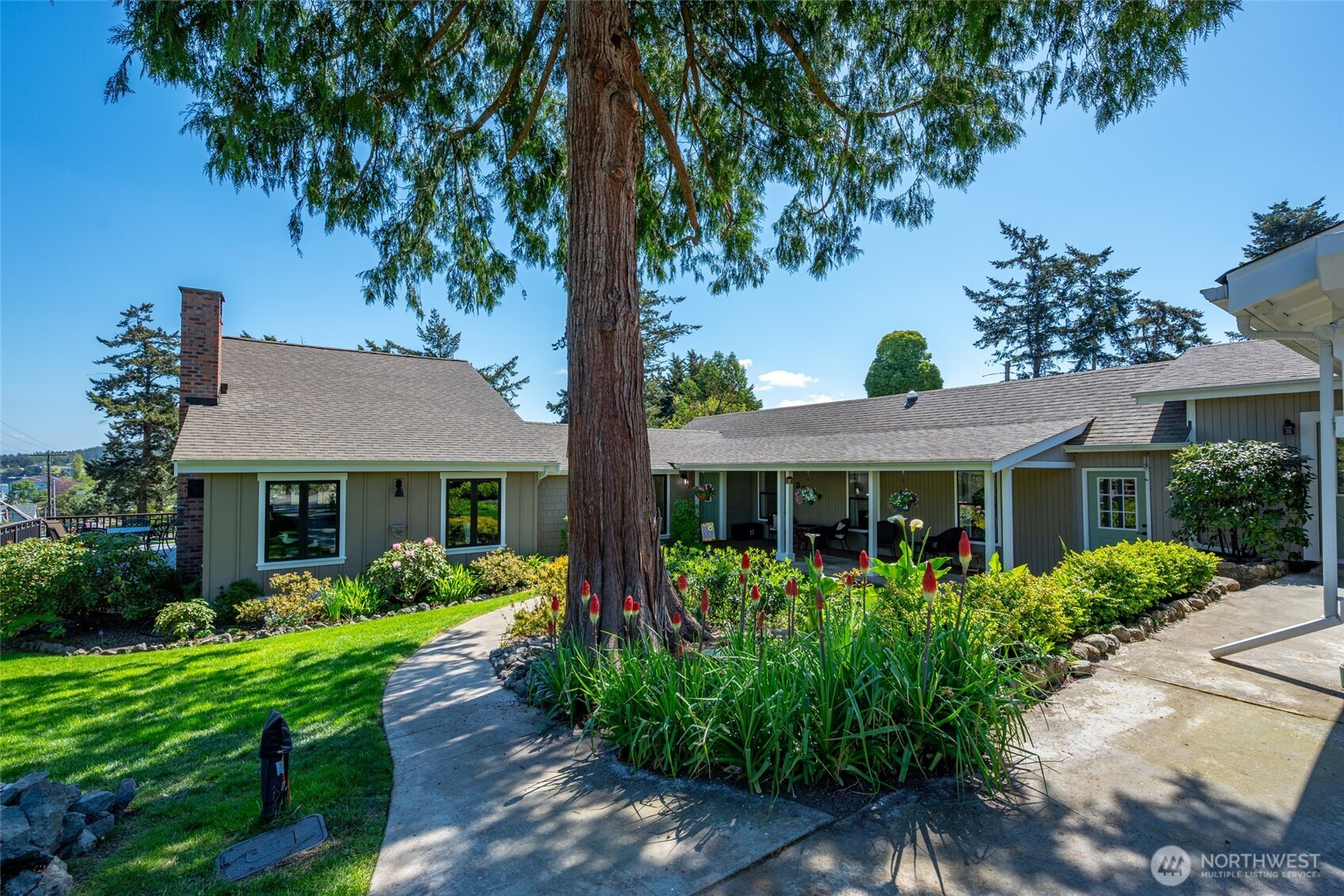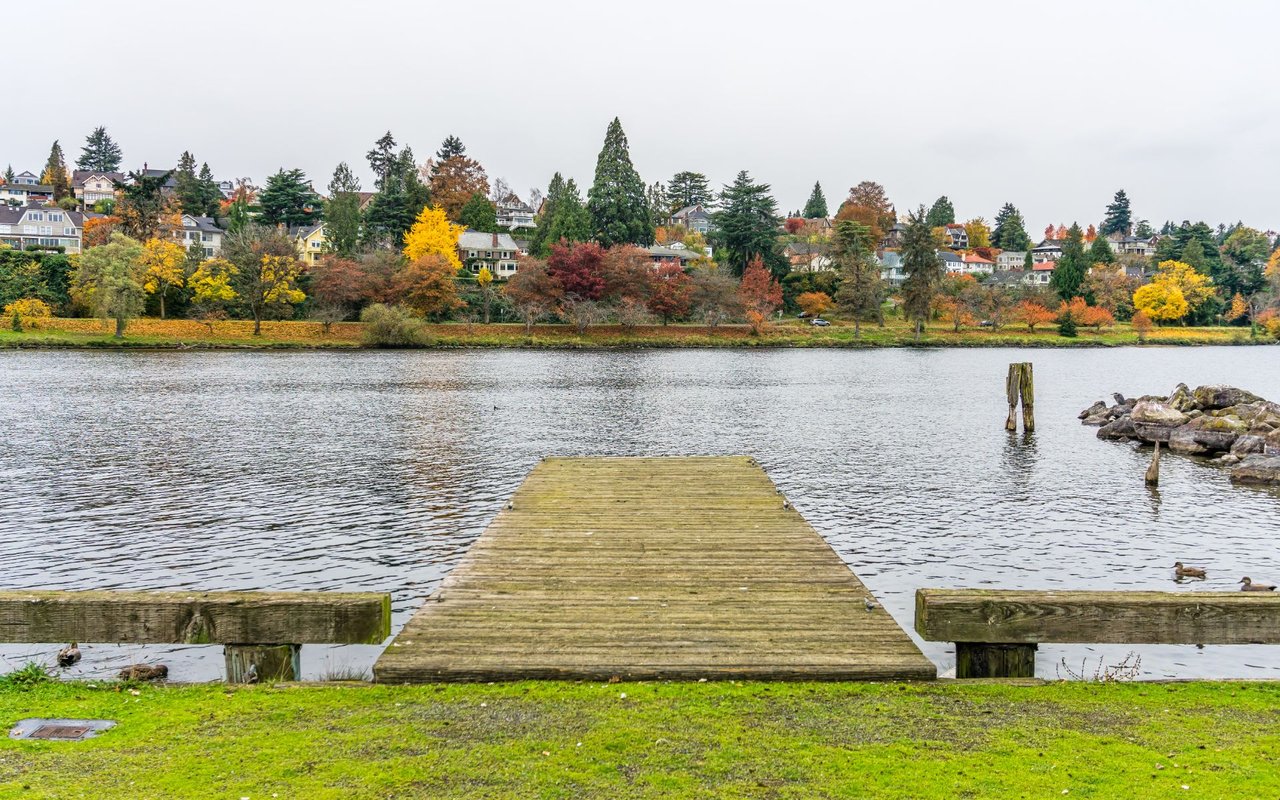
Coupeville’s real estate ranges from preserved late-1800s and early-1900s homes in town to Penn Cove waterfront properties, acreage parcels, and custom estates within the surrounding reserve. Waterfront and water-view homes command a premium and reward buyers who understand shoreline, septic, and water-access considerations. Many properties serve as primary residences, while others are second homes for boaters and those drawn to crabbing, clamming, and Penn Cove’s famous mussels.
Coupeville sits just south of Oak Harbor and up-island from the arts village of Langley, and its shoreline location makes it a prime market for Whidbey Island waterfront homes. A second-generation Whidbey Island broker, Mike Konopik brings deep local knowledge and waterfront-specific expertise in shoreline rules, wells, and moorage to Coupeville buyers and sellers.
Neighborhood FAQs
Coupeville is a historic waterfront town on Whidbey Island known for its charming downtown, scenic views, and rich cultural heritage. These FAQs highlight what makes living in Coupeville appealing, from community amenities to daily lifestyle.
1. What makes Coupeville a unique neighborhood on Whidbey Island?
Coupeville is one of the oldest towns in Washington, featuring historic architecture, a walkable downtown, and direct access to Penn Cove’s scenic shoreline, blending small-town charm with coastal living.
2. What outdoor recreation opportunities are available in Coupeville?
Residents enjoy kayaking and paddleboarding on Penn Cove, fishing, hiking trails, parks, and beachcombing. Nearby Ebey’s Landing National Historical Reserve offers dramatic bluff views, trails, and wildlife habitat.
3. Can you walk to shopping and dining in Coupeville?
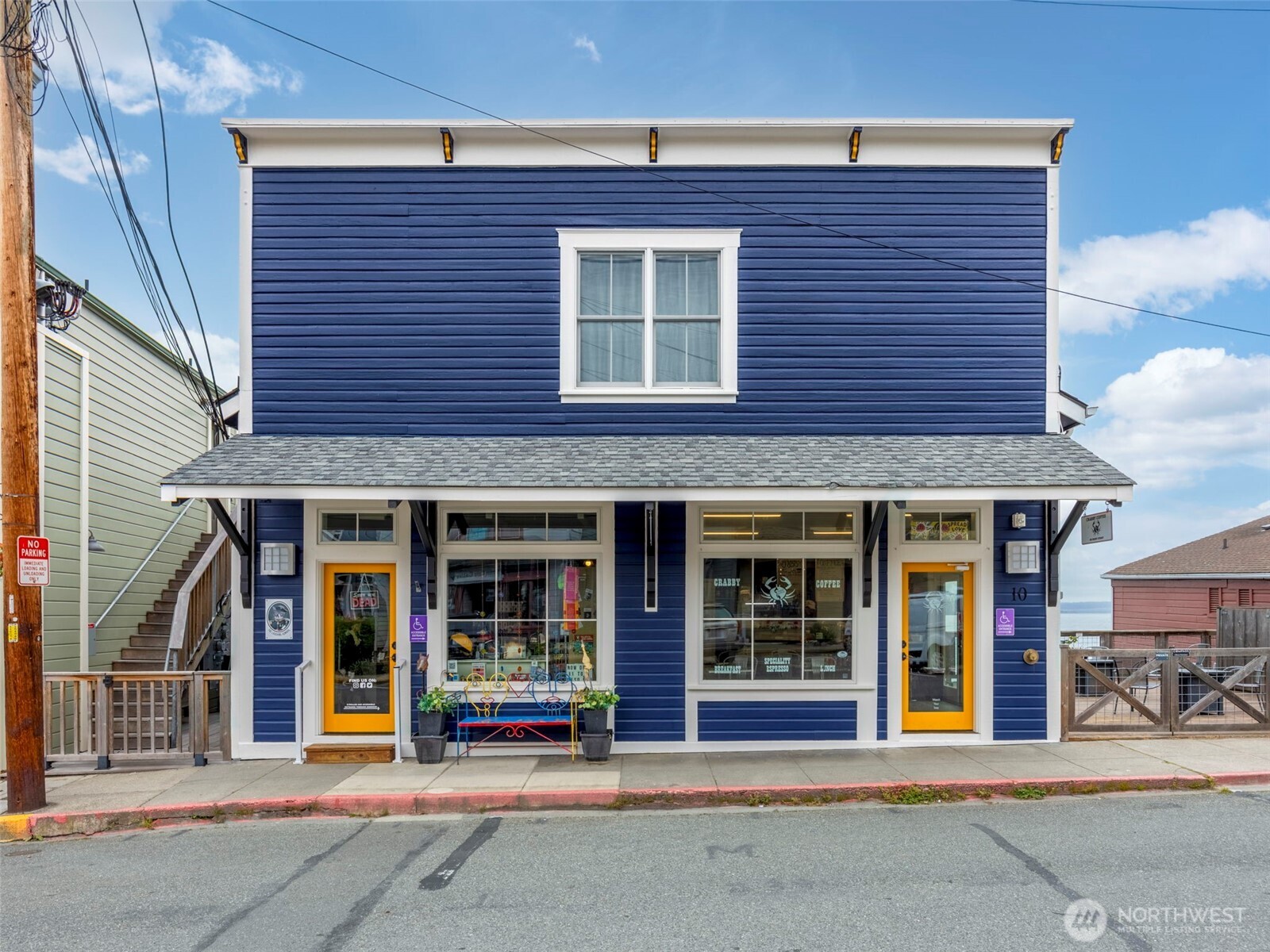
Yes — Coupeville’s compact downtown is highly walkable, with local restaurants, cafes, gift shops, galleries, and wine tasting rooms just steps from one another.
4. What cultural and community amenities does Coupeville offer?
Coupeville hosts festivals, farmers markets, historical tours, and community events throughout the year, celebrating local arts, music, and maritime heritage.
5. Are there parks and green spaces in Coupeville?
Yes — the town provides public parks, waterfront parks, picnic areas, and open spaces for outdoor enjoyment, dog-walking, and scenic views.
6. Is Coupeville family-friendly?
Coupeville is considered family-friendly with access to outdoor activities, community programs, local schools, and safe neighborhoods that appeal to families and residents of all ages.
7. How close is Coupeville to beaches and water access?
Coupeville has easy access to Penn Cove, waterfront paths, and nearby beaches, making it ideal for water recreation, shellfish harvesting, and scenic strolls along the shore.
8. Are there historical attractions in Coupeville?
Yes — visitors and residents enjoy historic buildings, museums, and preserved structures that reflect Coupeville’s roots in maritime and agricultural history.
9. What transportation options serve Coupeville?
Coupeville is served by local roads connecting to Highway 20, and the nearby Mukilteo–Clinton ferry terminal provides regional access to the mainland, including commuting options to Seattle.
10. What lifestyle benefits attract people to live in Coupeville, WA?
People are drawn to Coupeville for its relaxed coastal pace, scenic beauty, strong community identity, and the balance of small-town life with access to outdoor recreation and cultural events.
1,934 people live in Coupeville, where the median age is 62.3 and the average individual income is $43,208. Data provided by the U.S. Census Bureau.
Total Population
Median Age
Population Density Population Density This is the number of people per square mile in a neighborhood.
Average individual Income
Coupeville has 837 households, with an average household size of 2.17. Data provided by the U.S. Census Bureau. Here’s what the people living in Coupeville do for work — and how long it takes them to get there. Data provided by the U.S. Census Bureau. 1,934 people call Coupeville home. The population density is 1,523 and the largest age group is Data provided by the U.S. Census Bureau.
Total Population
Population Density Population Density This is the number of people per square mile in a neighborhood.
Median Age
Men vs Women
Population by Age Group
0-9 Years
10-17 Years
18-24 Years
25-64 Years
65-74 Years
75+ Years
Education Level
Total Households
Average Household Size
Average individual Income
Households with Children
With Children:
Without Children:
Marital Status
Blue vs White Collar Workers
Blue Collar:
White Collar: